
Beside the toilet
A horizontal bar on the side wall, and often one behind the toilet. Following ADA guidelines, side and rear bars sit 33 to 36 inches above the floor.
Aging in place · Bathroom safety
A grab bar is a fixed bar, anchored to the wall structure, that you can hold or lean on while sitting, standing or stepping. HandyMangum installs grab bars by toilets, in showers, beside tubs and in hallways for homes and businesses across Central Florida. For a grab-bar-only visit you can also book Grab Bar Heroes, a HandyMangum company that does nothing else, at $185 per bar.
A towel bar or a suction-cup handle is not a grab bar. A real grab bar is made to carry a person's weight, and it is only as strong as what it is fastened to. Most of the job is finding the studs or choosing the right anchor for tile, drywall or fiberglass, and setting the bar where the person actually reaches.
Grab bars are usually the first change people make, and often the most useful one. They are also a small job: most visits are one to three bars and take about an hour or two.
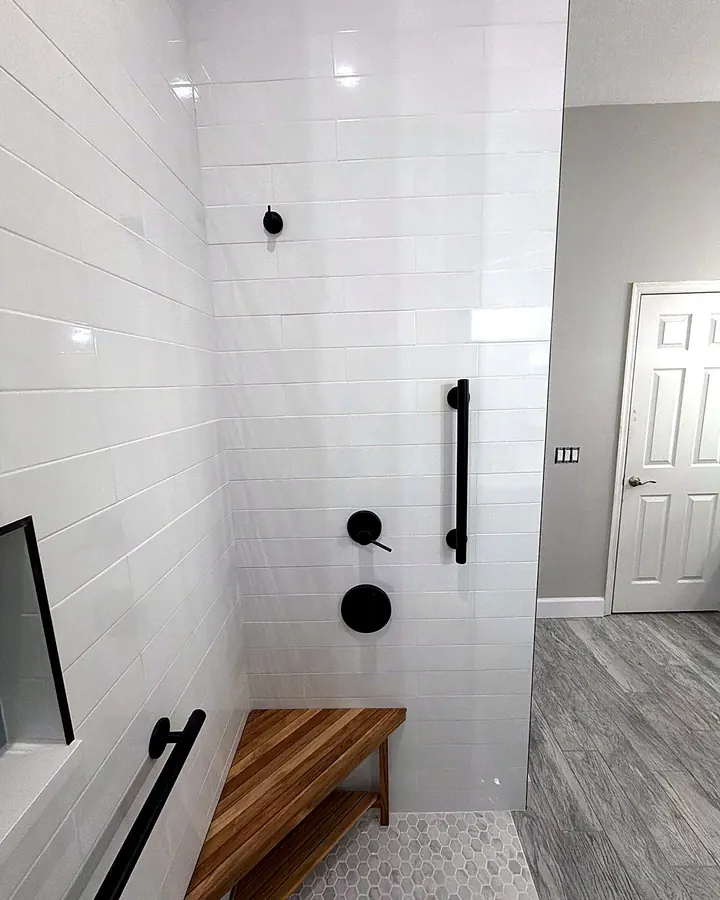
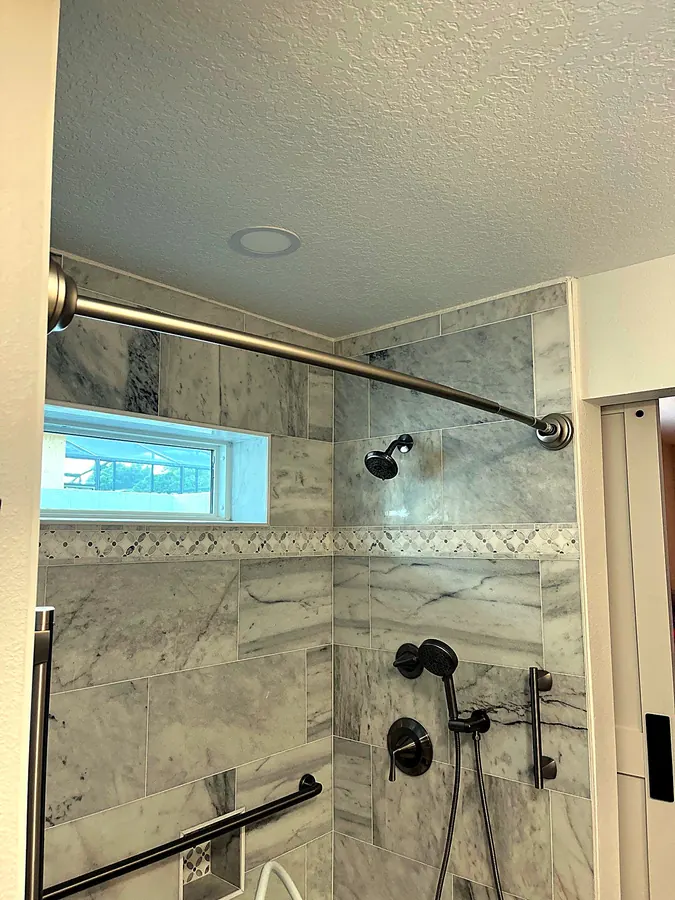
We talk through how the person uses the room: where they sit, stand, turn and step in or out.
We locate studs and check the wall surface. Tile, drywall and fiberglass each need a different method.
Bars go into framing or into anchors rated for the load. In wet areas we seal every screw hole.
We put weight on every bar before we leave, and show you how to use it.
A horizontal bar on the side wall, and often one behind the toilet. Following ADA guidelines, side and rear bars sit 33 to 36 inches above the floor.
A vertical bar at the entry so you have something to hold while you step in and out.
Horizontal or angled bars on the long wall, set to where the person stands or sits.
Bars or rails along a short wall where someone needs a steady hand at night.
Stainless, brushed nickel, oil-rubbed bronze or matte black, and lengths from 12 to 48 inches. A textured grip helps wet hands.
Grab bars built into a toilet paper holder, a shelf or a towel bar for a less clinical look.
Grab Bar Heroes grew out of HandyMangum and does only grab bar installation, with a flat $185 per bar. It is the quickest way to book a grab-bar-only visit. If grab bars are part of a bigger list, such as a taller toilet, a shower seat or a handrail, HandyMangum does it all in one visit.
How a bar is anchored matters more than the bar itself. We fasten into wall studs or solid blocking wherever we can. Where there is no stud in the right spot, we use anchors made and rated for grab bars, never plastic drywall anchors, and we pull-test every bar before we leave.
A towel bar is not built or anchored to hold a person. Grabbing one during a slip can pull it out of the wall. If someone is already using a towel bar for balance, that is a good sign a real grab bar belongs there.
“The installers were prompt and did great work installing the grab bar. Would recommend them.”
Daryl H. Google review
Following ADA guidelines, grab bars beside and behind a toilet are mounted 33 to 36 inches above the floor. At home we adjust to the person, especially if they are shorter or taller than average or use a wheelchair.
Yes. We drill tile with the right bit, anchor into the studs behind it where possible, and seal each hole so water cannot get behind the tile.
We use anchors made and rated for grab bars in hollow walls, or install a bar length that reaches the studs. We do not use plastic drywall anchors for grab bars.
Grab Bar Heroes, a HandyMangum company, lists grab bar installation at $185 per bar. When grab bars are part of a bigger HandyMangum job, they are included in that job's written quote. Estimates are free.
Following ADA guidelines, horizontal bars on shower and tub walls are 33 to 36 inches above the shower or tub floor, and a vertical bar at the entry starts a little higher so it can be gripped while stepping in. We adjust to the person's height and how they move.
Most people start with two: one beside the toilet and one at the shower or tub entry. Add more where the person turns, sits or steps, such as a vertical bar at the shower entry.
Yes. Grab Bar Heroes is a HandyMangum company that does only grab bar installation, at $185 per bar. Book it at grabbarheroes.com, or call HandyMangum if grab bars are part of a bigger job.
Yes. We install grab bars in commercial restrooms, offices and rentals following ADA guidelines. See our ADA accessibility updates for businesses.
We cannot promise that any plan will pay, so please check before the work starts. Original Medicare generally does not pay for grab bars, bath seats, raised toilet seats or home changes like these; CMS treats them as convenience items rather than durable medical equipment. Some Medicare Advantage plans, Medicaid waiver programs and veterans' programs do help with home modifications, so ask your plan directly. We give you a written, itemized quote and invoice you can share with them.
No. Towel bars are not made or anchored to hold body weight. We can replace one with a grab bar, and some grab bars double as towel bars.
Common finishes such as stainless, brushed nickel, chrome, oil-rubbed bronze and matte black. You can supply your own bars or we can bring them.
Yes. We remove it, patch the holes and, on drywall, paint the patch.
Call or text (407) 699-1123, or send the online request with a few photos. Estimates are free on every job.